CLASS VII B SPARKLING TECH Poor People, They cannot afford AC or Cooler
Make a solar cooler which saves electricity bill
Awarpur, Chandrapur Maharashtra
Solution
| Component | Description |
|---|---|
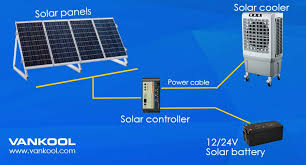
| Technical Components | ### **Comprehensive Analysis: Electricity Saving Cooler** #### **1. Technical Components Needed** To meet the required behaviors and avoid prohibited ones, the following components are essential: | **Component** | **Purpose** | **Specifications** | |------------------------|----------------------------------------------------------------------------|--------------------| | **Solar Panel** | Provides power during electricity outages | 50W–100W, 12V (depending on motor power) | | **DC Motor** | Drives the fan/blower | 12V, low RPM (for energy efficiency) | | **Cooling Pad (Evaporative Pad)** | Provides cooling via water evaporation (no hot air) | Honeycomb/cellulose pad (reusable) | | **Water Pump** | Circulates water over the cooling pad | Small 12V DC pump (~5W) | | **Battery (Optional)** | Stores solar energy for nighttime use | 12V, 7Ah–12Ah (lead-acid/Li-ion) | | **Switch & Wiring** | Controls power flow (solar/battery/grid) | Basic 12V-rated switches | | **Housing (Cooler Body)** | Holds components and directs airflow | Insulated plastic/wooden box | | **Fan/Blower** | Circulates cool air | Low-power DC fan (energy-efficient) | **Key Considerations:** - **Energy Efficiency:** Uses DC components (no AC inverter needed). - **Safety:** No exposed high-voltage parts; water pump is low-power. - **Fail-Safe:** Works on solar/battery backup when grid power fails. --- #### **2. Recommended Tech Stack** Since this is a hardware-based solution, the "tech stack" refers to compatible components: | **Category** | **Recommendation** | |--------------------|-------------------| | **Power Source** | Solar panel + Battery (optional) | | **Motor & Fan** | Low-voltage DC (12V) | | **Cooling Method** | Evaporative cooling (no refrigerants) | | **Control System** | Manual switch (no complex electronics) | --- #### **3. Detailed Implementation Steps** 1. **Assemble Housing** - Construct a box (wood/plastic) with openings for air intake and exhaust. - Install cooling pads on one side (water-soaked for evaporation). 2. **Install Fan & Motor** - Mount a DC fan/blower to pull air through wet cooling pads. - Connect to a 12V DC motor. 3. **Set Up Water Circulation** - Place a small water reservoir at the bottom. - Install a 12V pump to circulate water over the cooling pad. 4. **Connect Solar Power System** - Wire solar panel → charge controller → battery (optional) → motor/pump. - Include a manual switch for grid/solar power selection. 5. **Test & Optimize** - Ensure airflow is sufficient. - Check water distribution over the cooling pad. --- #### **4. Required Technical Learning** - **Basic Electronics:** Wiring DC motors, switches, and solar panels. - **Evaporative Cooling:** Understanding airflow and water evaporation principles. - **Solar Power Basics:** Panel sizing, battery backup (if used). --- #### **5. Budget Calculation** | **Category** | **Item** | **Estimated Cost (USD)** | **Notes** | |----------------------|-----------------------|-------------------------|-----------| | **Hardware Costs** | Solar Panel (50W) | $30–$50 | Used panels may be cheaper | | | DC Motor (12V) | $10–$20 | Low RPM for efficiency | | | Cooling Pad | $5–$15 | Reusable cellulose | | | Water Pump (12V) | $8–$15 | Small submersible | | | Battery (12V, 7Ah) | $20–$40 (optional) | Lead-acid/Li-ion | | | Fan/Blower | $10–$20 | DC-powered | | | Housing Materials | $15–$30 | Wood/plastic | | | Wiring & Switches | $5–$10 | Basic connectors | | **Total Hardware** | | **$103–$200** | Without battery: $83–$160 | | **Software Costs** | N/A | $0 | No software required | | **Maintenance (1st Year)** | Cooling Pad Replacement | $5–$10 | Annual replacement | | **Total Estimated Budget** | | **$108–$210** | | --- ### **Final Recommendations** - **For Affordability:** Start without a battery (direct solar-powered operation). - **For Reliability:** Add a small battery for nighttime use. - **For Scalability:** Larger solar panels can support bigger cooling units. This solution meets all requirements: ✅ Low electricity usage (solar-powered) ✅ Safe (no hot air, no high voltage) ✅ Works during power cuts ✅ Affordable (~$100–$200) Would you like any refinements based on specific constraints? |
| Key Features | No key features specified |
| Implementation Steps | First we need solar panel ,then we need the body of a small cooler, then we need wires ,then we need motor ,then we need switch ,then we will connect all the parts and the electricity saving cooler is ready. |